Save Water, Time, and Money: A Guide to Smart Irrigation and Sustainable Garden Design
Summer in the DMV often means long, hot days and, for many homeowners, the constant chore of keeping the lawn and garden beds hydrated. It can feel like a battle against the heat, leading to high water bills and plants that are either thirsty or overwatered. If you're tired of dragging hoses around or watching your traditional sprinkler system water the sidewalk more than your soil, there's a better way. By combining modern technology with thoughtful design, you can create a beautiful, thriving landscape in your Bowie home that is both water-wise and low-maintenance. This guide explores how smart irrigation systems and sustainable planting and garden bed design work together to save you water, time, and money while enhancing your home's curb appeal.
The Problem with Old-School Watering
For decades, the standard approach to watering has been a timer-based sprinkler system or a manual hose-down. While better than nothing, these methods are incredibly inefficient. A simple timer doesn't know if it rained yesterday or if a heatwave is forecasted for tomorrow. It just turns on and off according to a rigid schedule. This often results in:
- Wasted Water: A significant portion of the water from conventional sprinklers is lost to evaporation on hot, windy days or runs off into the street, carrying valuable topsoil and fertilizers with it. This runoff can eventually impact the health of our local waterways.
- Unhealthy Plants: Both overwatering and underwatering stress your plants. Overwatering can lead to root rot and fungal diseases, while underwatering causes wilting and poor growth. It's a difficult balance to strike manually.
- High Utility Bills: Wasting water means wasting money. During peak summer months, outdoor water use can be a major contributor to a household's utility expenses.
- Time and Effort: Manually watering your garden beds and lawn is a time-consuming task that takes you away from simply enjoying your outdoor space.
Creating a Chesapeake Bay-friendly landscape means being mindful of our water usage and what runs off our properties. Inefficient watering practices work against this goal, but modern solutions offer a powerful alternative.
The Solution: Smart Irrigation Technology
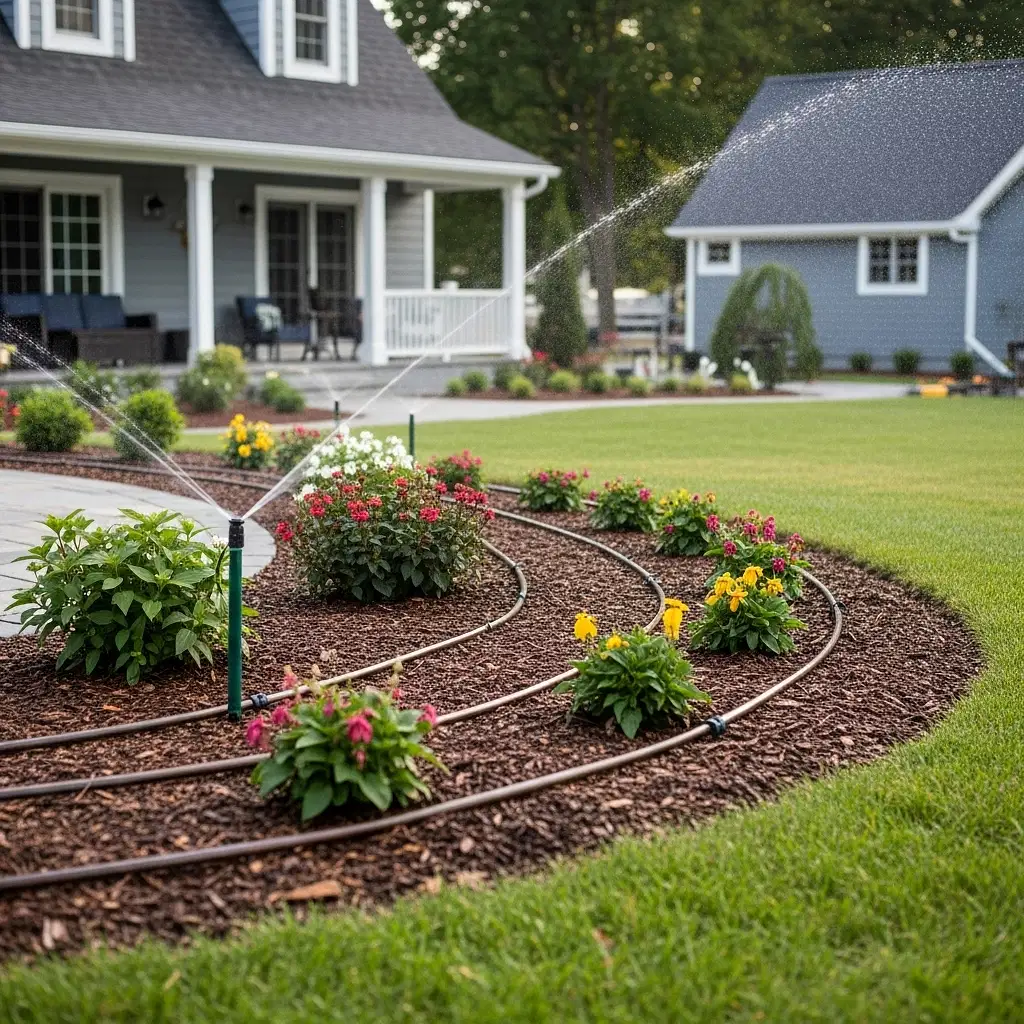
Smart irrigation is a game-changer for homeowners. Unlike traditional systems, a smart system uses technology to make real-time watering decisions based on actual conditions. Think of it as putting your watering schedule on autopilot, but with an expert pilot who checks the weather constantly.
There are two main types of smart irrigation technology:
- Weather-Based Controllers: These controllers connect to the internet to pull local weather data—factoring in temperature, rainfall, humidity, and wind—to adjust watering schedules automatically. If a big storm is on its way, the system will skip the next scheduled watering. If a heatwave is coming, it might water more deeply to prepare your plants.
- Soil Moisture Sensors: These sensors are placed directly in the root zones of your lawn or garden beds. They measure the actual moisture level in the soil and tell the controller to water only when the soil is genuinely dry. This is the most precise way to give your plants exactly what they need, right when they need it.
The benefits are clear: you conserve a significant amount of water, promote deeper, healthier root growth for your plants, and save money on your water bill, all while enjoying the convenience of a fully automated system.
Designing Sustainable, Water-Wise Garden Beds
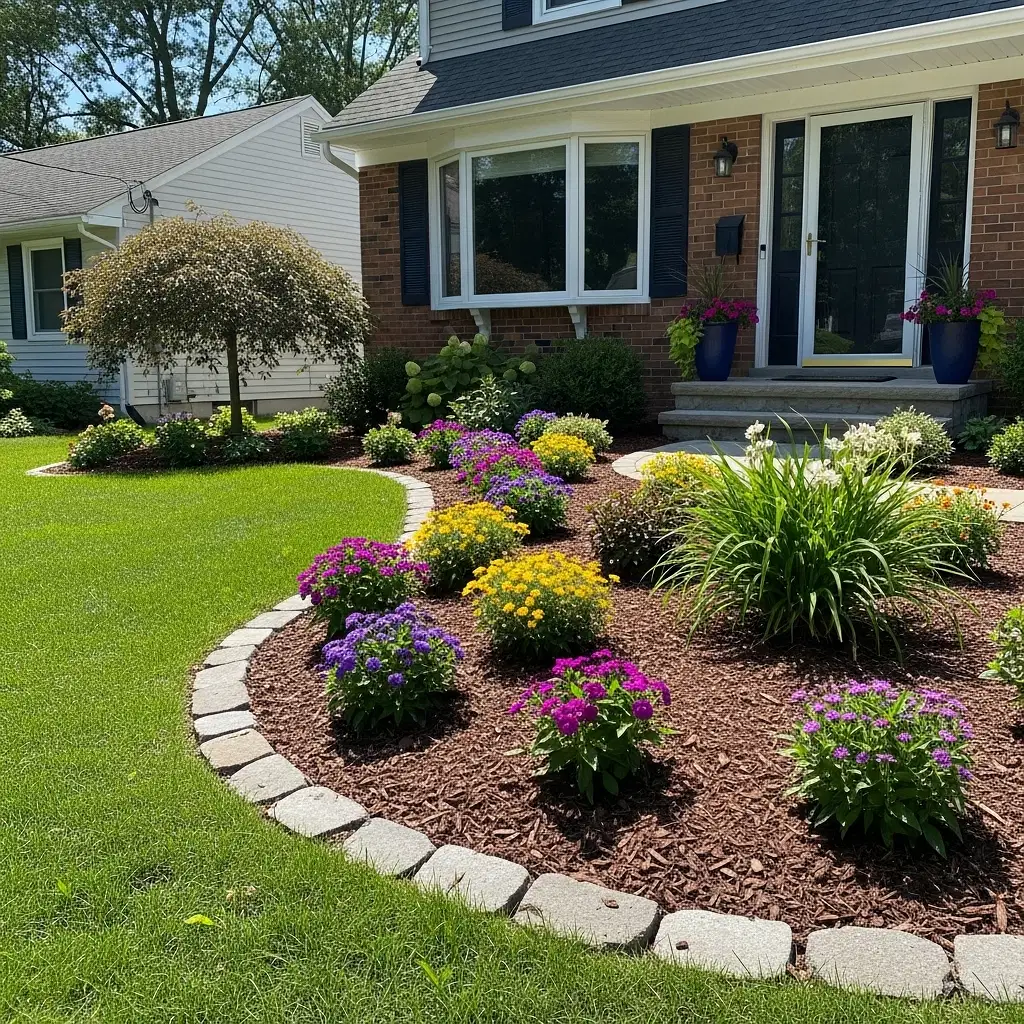
A smart irrigation system is most effective when paired with a smart garden design. A sustainable landscape is built on the principle of "right plant, right place," which reduces the need for excessive water, fertilizer, and maintenance. This is where professional landscaping expertise becomes invaluable.
Key elements of a water-wise garden include:
- Using Native and Drought-Tolerant Plants: Maryland native plants, like Coneflowers, Black-eyed Susans, and Switchgrass, are naturally adapted to our local climate and soil. Once established, they require far less water than many non-native species and provide vital food and habitat for local pollinators.
- Grouping Plants by Water Needs: A smart design strategy called hydrozoning involves grouping plants with similar water requirements together. This allows your irrigation system to water each zone according to its specific needs, preventing you from overwatering drought-tolerant plants just to keep water-loving ones happy.
- Applying a Healthy Layer of Mulch: Mulch is a garden's best friend. A two-to-three-inch layer of organic mulch helps retain soil moisture by reducing evaporation, suppresses weed growth (which competes with your plants for water), and regulates soil temperature.
By thoughtfully selecting plants and designing beds that work with our local environment, you create a resilient and beautiful garden that thrives without constant intervention. This approach is the foundation of effective, long-term flower bed maintenance.
Create Your Effortless Outdoor Oasis with Iron Will Landscaping
Imagine a lush, beautiful garden that looks fantastic all season long without demanding constant watering and attention. By combining the efficiency of a smart irrigation system with the beauty and resilience of a sustainable garden design, this vision can become your reality. It's an investment that not only enhances your home's curb appeal and value but also contributes to a healthier local environment and gives you back your most valuable resource: your time.
If you're ready to upgrade your landscape and simplify your life, the team at Iron Will Landscaping is here to help. We specialize in creating personalized, sustainable landscapes for homeowners throughout the Bowie area. Contact us today to schedule a consultation and learn how we can transform your property with smart irrigation and expert garden design.